

River pebble processing cone crusher
River pebble, composed mainly of silicon dioxide and with a high content of hard minerals, is a widely used material in construction, especially for producing aggregates, road base materials, and concrete mixes. Its abundance and durability make it an ideal choice for various applications. However, processing river pebbles into usable construction materials requires specialized equipment, and one of the most effective tools for this purpose is the cone crusher.
The Role of a Cone Crusher in River Pebble Processing
A cone crusher is a type of compression crusher used to crush materials between the mantle and the concave. It is particularly effective in processing river pebbles due to its ability to produce a high-quality final product, with even particle distribution and consistent shape. The cone crusher is designed to handle a variety of materials, including river pebble, making it an essential component in the production line of sand and gravel aggregates.
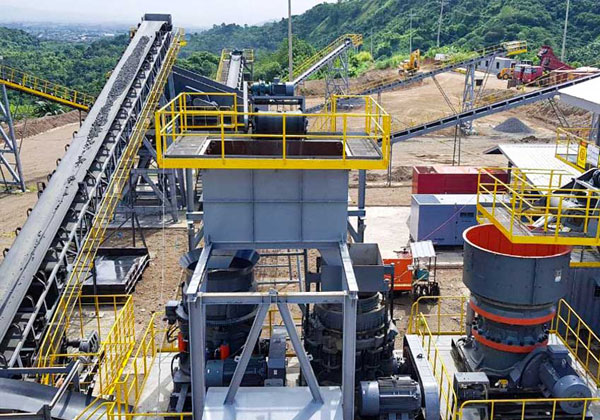
How Cone Crushers Work
Cone crushers operate by applying pressure to crush material. The feed material enters the crushing chamber from the top and is crushed by the mantle, which oscillates inside a concave bowl. The material is progressively crushed as it moves downward through the chamber, where it eventually exits through the bottom. The hydraulic system adjusts the size of the output product, allowing for precise control over the final product size and shape.
Benefits of Using Cone Crushers for River Pebble Processing
- High Efficiency: Cone crushers are designed for high efficiency, allowing for the processing of large quantities of river pebbles. They are capable of handling varying sizes of input material and producing a uniform output, which is ideal for construction and industrial applications.
- High Crushing Ratio: Cone crushers have a high crushing ratio, meaning they can crush large stones into smaller, more manageable sizes in one or two stages. This makes them highly effective for processing river pebbles, which are often irregular in shape and vary widely in size.
- Versatility: Cone crushers are versatile and can be used for secondary, tertiary, and sometimes even quaternary crushing stages. This makes them ideal for processing different grades of river pebble materials, such as sand, gravel, and other construction aggregates.
- Durability and Reliability: The robust design of cone crushers ensures durability and reliability, allowing them to withstand the tough conditions of mining and aggregate production. Their long service life makes them a cost-effective investment for businesses processing river pebbles.
Applications in River Pebble Processing
In a typical river pebble processing line, the cone crusher is often used in conjunction with other equipment such as vibrating screens and feeders. After primary crushing with a jaw crusher, the material is fed into the cone crusher, which reduces the size further. The output from the cone crusher can then be screened to separate different sizes of river pebbles, which can be used in various construction projects.
For instance, fine river pebbles can be used for producing high-quality sand, while larger pebbles are ideal for aggregate production. The uniform shape and consistent size of the crushed material also make it suitable for use in concrete production, road construction, and asphalt paving.