

Basalt crushing and processing plant
A basalt crushing and processing plant is designed to crush basalt rock into various sizes for use in construction, road building, and other industrial applications. Basalt, a type of volcanic rock, is known for its strength, durability, and resistance to wear, making it an ideal material for high-quality aggregates. The plant typically includes several key components: a primary crusher, secondary crushers, screening equipment, conveyors, and storage bins.
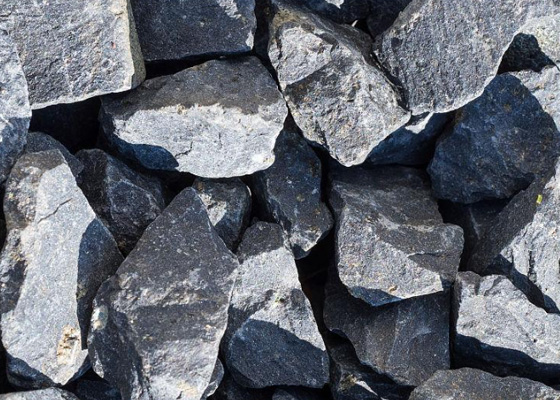
1. Primary Crushing
The process begins with the primary crushing stage where basalt rock is fed into a primary crusher, such as a jaw crusher. These crushers reduce the large basalt stones into smaller, more manageable sizes. Jaw crushers are commonly used in this stage due to their ability to handle large chunks of rock and deliver a consistent output size. The primary crusher sets the tone for the rest of the processing line and ensures that only material of a certain size is sent to subsequent stages.
2. Secondary Crushing
After the primary crushing, the material moves to the secondary crushing stage. In this stage, impact crushers, cone crushers, or even more jaw crushers can be used. The goal is to further reduce the size of the basalt stones and produce finer aggregates. The secondary crushing stage often uses different types of crushers to target specific sizes and improve the quality of the final product. Depending on the desired outcome, the material may pass through multiple secondary crushers before moving on to screening.
3. Screening and Separation
Following the secondary crushing, the material undergoes screening to separate different sizes. Screening equipment, such as vibrating screens, is used to sort the crushed basalt into various grades. The screens can be adjusted to control the size distribution of the output, allowing for a customized aggregate that meets specific requirements. The screened material can then be stockpiled or conveyed to the next processing stage.
4. Washing and Cleaning
Depending on the application, the crushed basalt may need washing to remove impurities such as clay, dust, or fine particles that could affect the quality of the end product. Washing plants often include log washers, rotary scrubbers, or other types of washing equipment. This step ensures that the material is clean and free from contaminants before it is used in construction projects.
5. Material Handling and Storage
Conveyors play a crucial role in transporting the crushed basalt from one stage to another. These systems are designed to handle large volumes of material efficiently and safely. Storage bins or stockpiles are used to store the final products, which can be sold or used on-site for various construction projects.
6. Final Product
The final product from a basalt crushing and processing plant can vary in size and quality based on the specific needs of the market. Common aggregate sizes include gravel, crushed stone, and sand. These materials are widely used in road construction, concrete production, asphalt, and other applications where durable, high-quality aggregates are required.
Overall, a basalt crushing and processing plant is a complex operation that involves multiple stages of crushing, screening, washing, and handling. By carefully managing each step, the plant can produce high-quality basalt aggregates that meet the needs of the construction industry and contribute to sustainable building practices.