

Granite crushing and processing plant
A granite crushing and processing plant is designed to transform raw granite stone into various usable sizes and forms for construction and industrial purposes. The process involves multiple stages, including crushing, screening, washing. This type of plant is essential for producing aggregates used in road construction, concrete production, building materials, and more. Here’s a comprehensive overview of a granite crushing and processing plant:
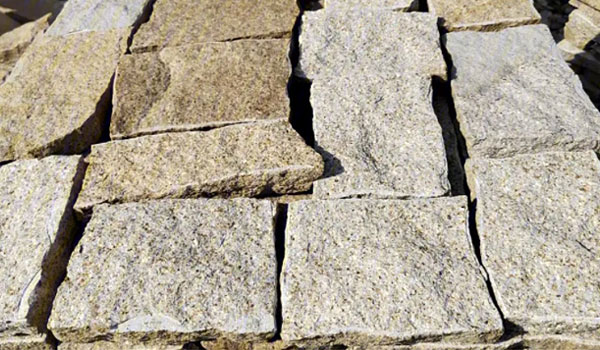
Overview of the Granite Crushing and Processing Plant
Primary Crushing
- Jaw Crushers: The extracted granite blocks are transported to the primary crusher, usually a jaw crusher. Jaw crushers use compressive force to break down large pieces of granite into smaller, more manageable sizes. The primary crushing process reduces the granite blocks into stones of varying sizes, typically ranging from 6 inches to 12 inches in diameter.
- Output and Size Control: The size of the output material is controlled through adjustments to the crusher’s settings. Operators can adjust the gap between the jaws to produce different sizes of crushed granite, which are suitable for various end-use applications.
Secondary Crushing
- Cone Crushers: The granite stones from the primary crusher are further reduced in size through secondary crushing using cone crushers. Cone crushers are effective for reducing the size of the material and providing a uniform product that meets specific specifications for various applications.
- Screening: After secondary crushing, the material is fed into a screening system to separate the crushed granite into different grades or sizes. This is done using vibrating screens that sort the material based on size, such as fine aggregates (e.g., 0-5 mm), medium aggregates (5-25 mm), and coarse aggregates (25-60 mm).
Fine Crushing
- Vertical Shaft Impact Crushers (VSIs): To produce high-quality sand and aggregates, fine crushing is necessary. VSIs are used for the final reduction of the material, producing sand-like particles with a good shape, size, and surface texture. The sand produced can be used in concrete production, asphalt mixing, and other applications that require high-quality fine aggregates.
Washing and Classification
- Washing Plants: After crushing and screening, the crushed granite may require washing to remove impurities such as clay, dirt, and other unwanted particles. This is often done using a washing plant that includes a scrubber, classifier, and dewatering screen. Clean, washed aggregates are essential for high-quality construction materials.
- Classification: The classified material is separated into different grades or quality standards based on specifications required for different projects. The classification helps in producing a consistent product that meets customer demands.
Quality Control
- Testing: Quality control is critical in a granite processing plant to ensure that the final products meet the required standards for strength, durability, and particle shape. Testing includes sieve analysis, specific gravity, water absorption, and abrasion tests. Regular quality checks help maintain consistency and adherence to customer specifications.
A granite crushing and processing plant is a complex facility that plays a crucial role in the production of high-quality construction materials. It requires careful planning, robust equipment, and a well-organized workflow to efficiently convert raw granite into usable aggregates. The end products are essential for the construction industry, providing the necessary materials for infrastructure development.