

Limestone crushing and processing plant
Limestone is a sedimentary rock composed primarily of calcium carbonate (CaCO₃). It is a crucial material in various industries, including cement manufacturing, construction, and steel production. A limestone crushing and processing plant is designed to extract, crush, and process limestone for use in these industries. The plant typically involves several stages of crushing, screening, and other processes to ensure the material meets the required specifications for various applications.
Primary Crushing
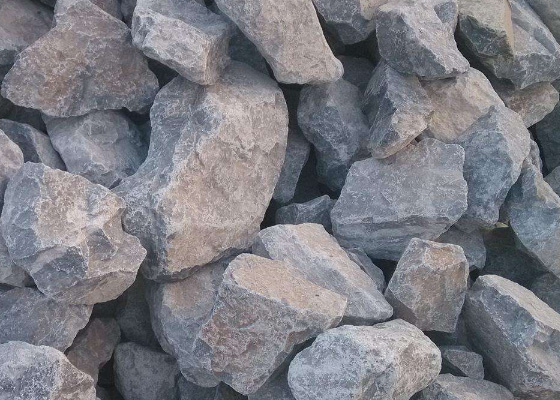
Once extracted, the limestone is transported to the processing plant, where the first stage of crushing occurs. The primary crusher is typically a jaw crusher or a gyratory crusher, which breaks the large limestone boulders into smaller pieces. The jaw crusher works by compressing the material between two plates, while the gyratory crusher uses a conical surface to crush the material. The primary crushing stage reduces the size of the limestone to a manageable range, typically between 6-10 inches (15-25 cm).
Secondary Crushing
After primary crushing, the limestone is fed into a secondary crushing unit, often a cone crusher or impact crusher. The secondary crusher further reduces the size of the material, typically down to 2-4 inches (5-10 cm). The cone crusher operates by rotating a mantle inside a concave bowl, creating a crushing action. The impact crusher uses high-speed impact forces to break the limestone into smaller pieces. This stage ensures that the limestone is further broken down to a size suitable for various industrial applications, such as cement production or road construction.
Screening and Washing
After the limestone is crushed, it is sent through a vibrating screen to separate the material into various size fractions. Some of the finer material is typically washed using water to remove impurities, such as clay, silt, and dust. The washing process is crucial, especially in applications where high-purity limestone is required, such as in the production of cement and lime.
The washed limestone is then sorted into different categories based on size and quality. Smaller particles are typically used in the production of fine aggregates or for agricultural lime, while larger particles may be used for construction purposes, such as road base material or building stone.
Final Product Production
The final stage in the limestone processing plant involves the production of specific products, such as crushed stone, lime, and cement. Crushed limestone can be used as aggregate in construction projects, as a base material for roads, or as a filler in asphalt production.
In cement production, limestone is heated to high temperatures in a rotary kiln to produce quicklime (CaO) or hydrated lime (Ca(OH)₂). This lime can be used in the manufacture of cement or as a chemical in industrial applications.
Limestone crushing and processing plants play a crucial role in the production of various industrial materials. These plants efficiently break down and process limestone into sizes suitable for different applications. With the right equipment and a well-designed process flow, limestone can be effectively transformed into valuable products for industries ranging from construction to agriculture.