

How to choose the right crusher for your needs
Choosing the right crusher for your needs is a crucial step in ensuring the efficiency, productivity, and longevity of your crushing operation. Whether you’re processing materials for mining, construction, or other industries, selecting the appropriate crusher will depend on several factors such as the type of material, desired product size, capacity, and operational requirements. Here’s a guide to help you choose the right crusher for your needs.
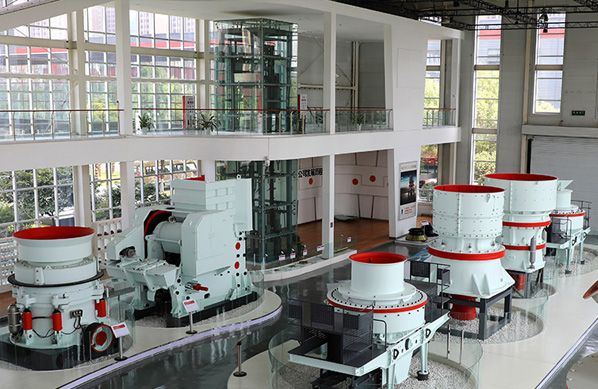
1. Understand the Material
The type of material you’re crushing is one of the most important factors in choosing the right crusher. Different crushers are designed for different types of materials:
- Hardness: For hard materials like granite or basalt, you’ll need crushers with high strength, such as jaw crushers or cone crushers.
- Abrasiveness: If the material is abrasive (e.g., limestone), crushers with more wear-resistant components like impact crushers or cone crushers may be more suitable.
- Moisture Content: Materials with high moisture content can cause clogs or excessive wear. Crushers with higher tolerances to wet conditions, such as hammer mills or impact crushers, are often better in such situations.
2. Desired Product Size and Output
Different crushers produce different sizes of output, so understanding your required product size is key to choosing the right machine.
- Jaw Crushers: These are typically used for primary crushing and produce a coarse output. They are effective for breaking down large, hard materials.
- Cone Crushers: Best for secondary or tertiary crushing, cone crushers produce more uniform, finer outputs. They are effective for medium to hard rocks.
- Impact Crushers: These crushers provide high reduction ratios and are commonly used for softer materials, producing medium-sized material.
- Hammer Crushers: Often used for fine crushing and producing fine aggregates from softer, less dense materials.
Make sure the crusher you choose can meet the desired feed size and output size for your operation.
3. Crushing Capacity
The capacity of a crusher is typically measured in tons per hour (TPH). This is a key consideration, especially if you need high throughput for large-scale operations. You’ll need to determine how much material needs to be processed daily or annually and choose a crusher with a suitable processing capacity.
- Small-Scale Operations: For smaller operations, crushers with lower capacities (less than 50 TPH) may suffice.
- Large-Scale Operations: High-capacity crushers (300 TPH and above) are necessary for large operations, ensuring a continuous, efficient process.
4. Operational Efficiency and Maintenance
Consider the efficiency and ease of maintenance of the crusher. Highly efficient crushers not only reduce energy consumption but also minimize downtime, which is crucial for maximizing production. Additionally, crushers with lower wear and tear and simple maintenance requirements will lower your long-term operational costs.
- Wear and Tear: Look for crushers with durable parts like high-chromium or manganese liners to reduce wear rates.
- Ease of Maintenance: Features like easy access to parts and the ability to replace components without requiring extensive downtime will improve operational efficiency.
5. Cost and Budget
Lastly, the overall cost of the crusher is an essential factor. While more expensive crushers often offer higher performance, efficiency, and durability, it’s important to balance the cost with the expected output and operational needs.
- Upfront Cost: Include the cost of the machine, delivery, and installation.
- Operational Costs: Consider energy consumption, wear-and-tear costs, and ongoing maintenance expenses.
- Return on Investment (ROI): A higher initial investment may be justified if the crusher significantly improves production efficiency or reduces long-term operational costs.
6. Crusher Type Overview
Here’s a quick overview of common crusher types and their applications:
- Jaw Crushers: Best for primary crushing of hard materials.
- Cone Crushers: Ideal for secondary or tertiary crushing of medium-hard materials.
- Impact Crushers: Suitable for soft to medium-hard materials, producing uniform sizes.
- Hammer Crushers: Excellent for fine crushing, especially for softer materials.
Choosing the right crusher requires careful consideration of several factors, including material type, production capacity, feed and output size, and the overall project needs. By selecting a crusher that matches these requirements, you can optimize your crushing process, reduce costs, and ensure consistent output. Whether you’re looking for a jaw crusher, cone crusher, impact crusher, or another type, choosing the right model will help maximize your project’s success.