

Dolomite crushing and processing plant
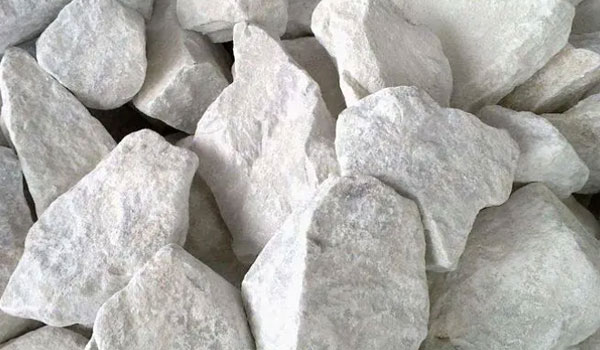
Dolomite is a naturally occurring mineral that is commonly used in various industrial applications, including in the manufacturing of glass, ceramics, steel, and as an aggregate in construction projects. Its versatility and usefulness make it a valuable resource for many industries. The dolomite crushing and processing plant is designed to produce high-quality dolomite aggregates and powder by processing the raw dolomite ore. This process involves various stages of crushing, grinding, screening, and separation to obtain the desired product.
1. Primary Crushing
The first step in a dolomite processing plant is the primary crushing, which typically involves the use of jaw crushers. These crushers are designed to break down large pieces of dolomite rock into smaller sizes that can be further processed. The primary crusher reduces the size of the material, making it easier for the subsequent steps of the process. A typical jaw crusher for dolomite processing may have a capacity ranging from 50 to 1000 tons per hour, depending on the size of the input material and the desired output.
2. Secondary Crushing
After the primary crushing, the material is typically fed into a secondary crusher such as a cone crusher or an impact crusher. The secondary crushing process ensures that the material is further reduced in size and achieves a more uniform texture. This is particularly important when producing dolomite for specific applications, such as for use in industrial or agricultural products. Depending on the specifications of the dolomite, secondary crushers may have the ability to create finer particle sizes, which are necessary for the production of high-quality products.
3. Screening and Sieving
Once the dolomite has been crushed, it undergoes a screening process to separate different particle sizes. The material is passed through vibrating screens that sort it into different sizes, such as fine, medium, or coarse particles. This step is crucial because different applications require different particle sizes. For example, agricultural uses may require finer particles, while construction or road base applications may need larger aggregate sizes.
4. Grinding and Milling
For certain applications, such as in the production of dolomite powder or fine aggregates, grinding and milling processes are employed. Dolomite can be further processed in ball mills or vertical mills to achieve the desired fineness. During grinding, the dolomite is finely ground into powder, which is used in various industrial applications, including in the production of fertilizers, glass, ceramics, and steel.
5. Refining
After grinding, dolomite may undergo a refining process depending on its intended use. This process involves removing impurities, such as iron, sulfur, and other unwanted minerals. The refined dolomite can be used in high-quality applications, such as in the production of dolomite bricks, which are resistant to high temperatures and used in the steel industry.
The dolomite crushing and processing plant plays a crucial role in transforming raw dolomite ore into valuable industrial products. By optimizing these processes, manufacturers can ensure consistent product quality and operational efficiency while meeting industry demands.