

100tph aggregate crusher unit price
A 100 TPH (tons per hour) aggregate crusher unit typically refers to a crushing plant designed to process a wide range of materials such as rock, gravel, limestone, sand, and other aggregates, with a capacity of 100 tons per hour. The price of such a unit can vary significantly based on factors like equipment specifications, material type, geographic location, and manufacturer. Below is an overview of the key components that contribute to the price of a 100 TPH aggregate crusher unit, as well as the factors that influence the overall cost.
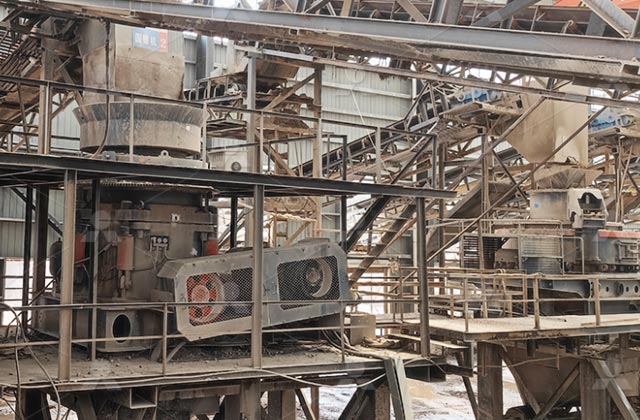
1. Type of Crusher
The type of crusher used in an aggregate processing plant can significantly impact the cost. Common types of crushers used for aggregate processing include:
- Jaw Crushers: These are primarily used for primary crushing. They are often favored for their ability to handle large, hard materials like rocks and stones. The cost of a 100tph jaw crusher typically ranges from $30,000 to $100,000.
- Cone Crushers: These crushers are used for secondary and tertiary crushing. They are efficient for reducing the size of materials to a finer output. The price for a 100tph cone crusher can range from $40,000 to $120,000 depending on the manufacturer and features.
- Impact Crushers: These crushers are typically used for processing medium to low hardness materials. A 100tph impact crusher can cost anywhere from $50,000 to $110,000.
- Vertical Shaft Impact (VSI) Crushers: Used for producing high-quality sand and crushed stone, these crushers are a bit more expensive due to their advanced technology and higher processing capacity. They can cost between $60,000 and $130,000.
2. Additional Equipment
Besides the primary crusher, a complete aggregate production unit will often include additional equipment such as:
- Vibrating Feeders: Used to transport materials evenly to the crusher.
- Conveyors: For transporting aggregates to different stages of the crushing process.
- Screening Units: For sorting materials after crushing.
- Wash Plants: If washing of materials is required.
These additional components can add $10,000 to $50,000 or more to the overall price of the crusher unit.
3. Location and Transportation Costs
Transportation costs can vary depending on where the crusher is being shipped. If the unit is being purchased internationally, there can be significant shipping charges involved. Additionally, import duties and taxes may apply, further raising the cost.
4. Customization and After-Sales Support
Customization options such as automation, control systems, or tailored designs for specific materials can add additional costs to the crusher unit. Furthermore, after-sales support, including warranty, spare parts availability, and maintenance packages, can influence the overall cost of ownership.
In summary, while a 100 TPH aggregate crusher unit can be a significant investment, the total cost depends on various factors, including the type of crushers, screeners, conveyors, and additional equipment required for efficient operation. Buyers should evaluate their needs and compare quotes from different manufacturers to make an informed decision.