

Vibrating screen check product list
A vibrating screen is a crucial piece of equipment used in various industries for screening and sorting materials based on their size, shape, and other characteristics. Vibrating screens are commonly used in mining, construction, aggregate production, and other industries where bulk materials need to be screened for separation. Below is an overview of the product types and their applications for vibrating screens.
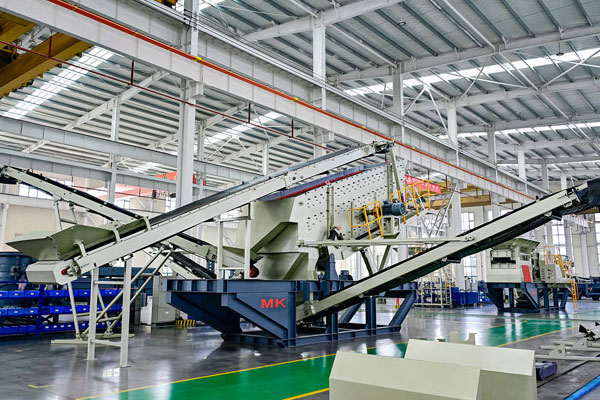
Circular Vibrating Screen
- Description: This is the most commonly used vibrating screen, where the screen box moves in a circular motion. It is suitable for separating materials into multiple grades, often used in mining, construction, and aggregate processing.
- Applications:
- Sifting and classification of dry materials
- Screening of sand, gravel, and crushed stone
- Coal and mineral screening
- Features:
- High efficiency and capacity
- Multiple layers for different particle sizes
- Simple design, easy to maintain
High-Frequency Vibrating Screen
- Description: High-frequency vibrating screens operate at a much higher frequency than other types. They are typically used for finer materials that require precise screening.
- Applications:
- Screening of fine materials (less than 0.1mm)
- Dewatering in mineral processing
- Screening of crushed ores and concentrates
- Features:
- High efficiency for fine particle separation
- Excellent dewatering capability
- Compact design for space-saving
Horizontal Vibrating Screen
- Description: In horizontal vibrating screens, the screen surface is designed to be horizontal or slightly inclined, providing an efficient method of material screening.
- Applications:
- Fine particle screening
- Dewatering applications in mineral processing
- Aggregate and sand screening
- Features:
- Lower space requirement
- High capacity in a small area
- Ideal for fine and coarse materials
Vibrating screens are crucial for efficient material separation and classification across industries. Selecting the right type depends on the material properties, required capacity, and separation needs. The list above represents a variety of models suited for different processing conditions, from fine particle screening to handling wet, sticky materials.