

Crushing plant conveyor system design
A crushing plant conveyor system is crucial for efficient material handling in mining, construction, and aggregate production operations. It ensures that mined or processed materials move seamlessly from one stage of the process to another, from crushing to screening, and ultimately to stockpiles or other destinations. Designing such a system involves several key components and considerations to ensure optimal performance, safety, and durability.
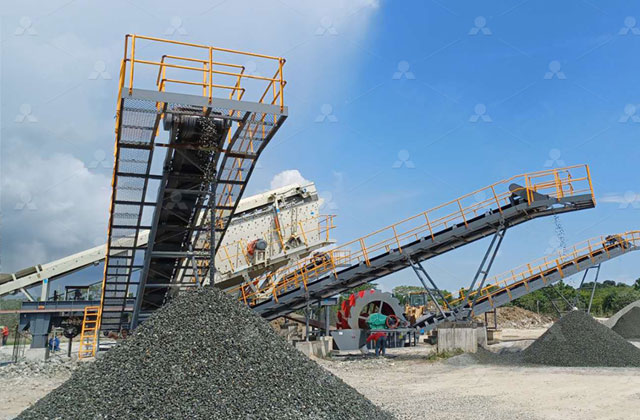
Key Components of a Conveyor System
- Belt Conveyor: The most commonly used conveyor in crushing plants, belt conveyors are made of a durable rubber or steel material that carries materials from one point to another. The belts are typically driven by an electric motor and equipped with pulleys, rollers, and idlers that support and guide the belt.
- Idlers and Rollers: These components help maintain belt tension, support the load, and ensure smooth movement of materials. They come in various types, such as impact rollers for areas where the load is heavy or abrasive and return rollers for the underside of the belt.
- Pulleys and Drives: Pulleys are used to guide the conveyor belt and help it move. The drive pulley is located at the head of the conveyor, where the motor connects to the system. The tail pulley is at the end of the conveyor, helping maintain belt tension.
- Chutes and Transfer Points: These are designed to direct the flow of materials onto the conveyor belt and prevent material loss or spillage. Proper chute design is essential to minimize wear on the belt and optimize the flow of materials.
- Take-up Systems: These systems are used to adjust and maintain the proper tension on the conveyor belt to prevent slipping and excessive wear. They can be either manual or automatic, depending on the scale of the plant.
Design Considerations
- Capacity Requirements: The system must be designed to handle the required capacity, typically measured in tons per hour (TPH). The conveyor system must be sized appropriately for the amount of material to be processed. Factors such as the material type, bulk density, and maximum feed size play a role in determining the conveyor’s capacity.
- Material Handling and Flow: The design must consider the specific properties of the materials being handled, such as abrasiveness, moisture content, and lump size. For instance, fine and wet materials require special handling features to prevent clogging or build-up on the belt.
- Conveyor Length and Elevation: Depending on the layout of the crushing plant, the conveyor length and elevation changes need to be considered. Long conveyors may require additional support structures and intermediate transfer points. Inclined conveyors or vertical conveyors may be necessary to transport materials to different levels.
- Speed and Motor Power: The speed of the conveyor belt is crucial for ensuring the correct flow of materials. Faster speeds might be needed in high-capacity plants, but this also increases wear and tear. Motor power must be sufficient to move the load while keeping energy consumption at a reasonable level.
- Maintenance and Safety: Conveyor systems should be designed for easy maintenance. This includes accessible locations for cleaning, monitoring, and replacing worn-out parts. Safety features, such as emergency stop buttons, safety guards, and proper training for operators, must be integrated into the system design.
Designing a conveyor system for a crushing plant involves selecting the appropriate components, ensuring they meet the required capacity, and optimizing the layout for efficiency and safety. A well-designed conveyor system reduces operational downtime, improves material handling, and enhances overall plant productivity. Proper design, regular maintenance, and safety measures are essential to maximize the lifespan and performance of the system.