

Stages of crushed stone aggregate production
The production of crushed stone aggregate is a multi-stage process that involves extracting raw materials, processing them, and refining them into different grades of crushed stone used in construction. Below is a detailed explanation of the stages involved:
1. Extraction of Raw Material
The first step in crushed stone aggregate production is the extraction of raw material from quarries or mines. This involves blasting or digging into the earth to remove large rocks and boulders. Once the rocks are exposed, they are transported to a primary crusher where the material is initially broken down. The raw material may include limestone, granite, basalt, or other naturally occurring stones, depending on the desired end product.
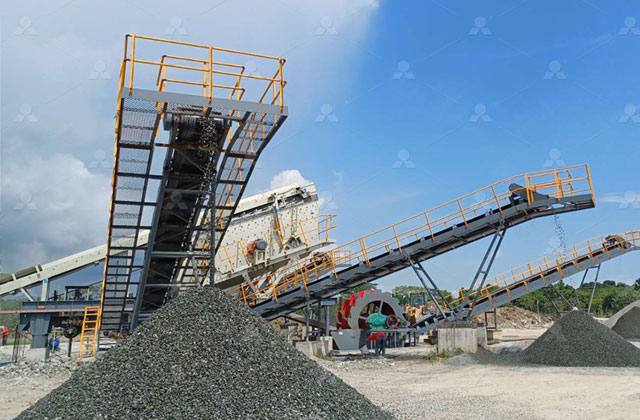
2. Primary Crushing
After the raw material is extracted, it is transported to a primary crushing machine, such as a jaw crusher or gyratory crusher. These machines are designed to break large rocks into smaller, more manageable pieces. Typically, the material is reduced from large boulders into aggregates ranging in size from 4 inches to 6 inches. This process reduces the size of the material to make it easier to handle and transport, setting the stage for further processing.
3. Secondary and Tertiary Crushing
Following primary crushing, the material may still be too large for use as aggregate. Therefore, it undergoes secondary and tertiary crushing stages. Secondary crushers, such as cone crushers or impact crushers, further reduce the size of the stone into smaller fragments. Tertiary crushers, such as vertical shaft impact (VSI) crushers, provide additional reduction, creating finely crushed aggregates. These stages are important for achieving the desired particle size and shape for the final product.
4. Screening and Classification
Once the stone has been crushed to the desired size, it undergoes a screening process. This stage involves separating the different sizes of crushed stone using vibrating screens or other classification equipment. The material is sorted into various size categories, from fine sand and dust to larger stones, depending on the market’s requirements. Screening helps remove impurities and ensures that only high-quality aggregates are delivered for use in construction or other applications.
5. Washing and Final Quality Control
In some cases, the crushed stone undergoes a washing process to remove dust, clay, and other impurities that could affect its quality. Washing also helps improve the final product’s workability, particularly for construction and road-building purposes. After washing, the stone is often inspected for quality control to ensure it meets the required standards for durability, size, and purity. The final product is then packaged or stored, ready for shipment to customers.
In summary, the production of crushed stone aggregates involves extraction, crushing, screening, and washing, each of which ensures that the material meets specific quality and size requirements for various construction applications.