

How to choose a quarry stone crusher
Selecting the right quarry stone crusher is crucial for maximizing productivity, minimizing costs, and ensuring a consistent output of quality aggregates. Whether you’re establishing a new quarry or upgrading existing equipment, making an informed decision requires considering several key factors. Here’s a comprehensive guide to help you choose the best crusher for your quarry.
Understand Your Material
The first step in choosing a quarry stone crusher is understanding the type of material you will be processing. Different stones, such as granite, limestone, basalt, and sandstone, have unique characteristics that influence the choice of crusher. For instance, granite is highly abrasive and requires a more robust crusher, like a jaw or cone crusher, to handle the hardness and reduce wear and tear. On the other hand, limestone is relatively soft and can be efficiently processed with an impact crusher.
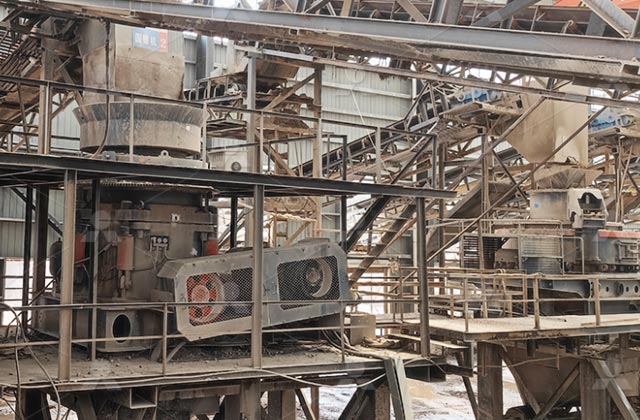
Determine the Required Output Size and Capacity
Consider the desired output size and production capacity. If your goal is to produce fine aggregates or sand, a vertical shaft impact crusher or a high-efficiency sand maker is ideal. For producing larger stones or coarse aggregates, a jaw crusher or cone crusher would be more suitable. Additionally, estimate the required capacity—whether it’s 100 tons per hour or 500 tons per hour—to ensure the crusher can meet your production demands.
Choose the Right Type of Crusher
Different crushers are designed for specific applications:
- Jaw Crusher: Ideal for primary crushing of hard stones. It has a simple structure, high crushing ratio, and reliable performance.
- Cone Crusher: Suitable for secondary and tertiary crushing of hard and abrasive materials. It provides a high output with uniform particle size.
- Impact Crusher: Best for processing softer stones like limestone. It produces a more cubical product and is used in the final stages of aggregate production.
- Vertical Shaft Impact Crusher (VSI): Perfect for producing machine-made sand and fine aggregates.
Consider Mobility and Installation
For quarries with frequent relocation or those requiring flexibility, consider a mobile crusher. Mobile crushers offer the advantage of easy transportation and installation, reducing downtime. However, if the quarry location is fixed, a stationary crusher may be more cost-effective and efficient in the long run.
Evaluate After-Sales Support and Spare Parts Availability
Reliable after-sales support and readily available spare parts are crucial for minimizing downtime. Choose a manufacturer or supplier known for excellent customer service, technical support, and a comprehensive inventory of spare parts.