

Quarry crusher auxiliary equipment
Quarry crushers are a fundamental part of the mining industry, especially for extracting and processing stone aggregates. However, to ensure the smooth and efficient operation of a quarry, auxiliary equipment plays a critical role in supporting the crusher and optimizing overall production. The use of auxiliary equipment such as feeders, screens, conveyors, washing systems, and crushers is vital for achieving the highest levels of performance and minimizing downtime.
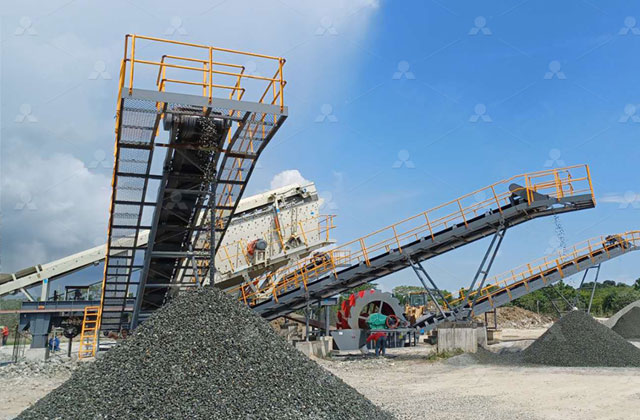
1. Feeders: Regulating Material Flow
The first piece of auxiliary equipment in a quarry operation is the feeder. These devices regulate the flow of raw materials to the crusher by ensuring a consistent feed rate. Proper feeding prevents crusher overloads and minimizes wear on the equipment. Feeders come in various types, including vibrating feeders, apron feeders, and belt feeders, each suited for different types of material handling needs. Vibrating feeders are ideal for continuous material flow, while apron feeders are perfect for handling large, heavy materials.
2. Screening Equipment: Ensuring Material Quality
Once the material is crushed, it needs to be sorted into various sizes based on the desired product specification. This is where screening equipment comes into play. Screens are designed to separate materials by size, ensuring that only the appropriate size particles pass through to the next stage of processing. Different types of screens, such as vibrating screens, trommel screens, and grizzly screens, are used depending on the material being processed and the desired output. With effective screening, operators can ensure that the final product meets quality standards and reduce waste.
3. Conveyors: Efficient Material Transport
Transporting crushed materials from one point to another within the quarry requires the use of conveyor systems. Conveyors are essential for reducing manual labor and minimizing the need for heavy equipment transport. These systems are designed to move large volumes of materials efficiently, whether it’s from the primary crusher to the secondary crusher or from the crusher to stockpiles. Conveyors are available in various configurations, such as horizontal, inclined, or vertical, depending on the terrain and layout of the quarry.
4. Washing Systems: Ensuring Clean and High-Quality Materials
In many quarries, materials need to be cleaned before they can be sold or further processed. Washing systems are used to remove impurities, such as clay, silt, and dust, from the aggregate material. These systems typically include equipment such as log washers, rotary scrubbers, and dewatering screens. Log washers, for example, are used for cleaning coarse aggregates, while dewatering screens help remove excess water from washed materials. Effective washing ensures that the final products meet industry standards for cleanliness and durability.
5. Crushers: Types and Roles
Auxiliary crushers are also a crucial part of the overall quarry operation. These include secondary crushers, tertiary crushers, and even mobile crushers. Secondary crushers, such as cone crushers or impact crushers, are used to reduce the size of material after the primary jaw crusher, achieving the desired particle size for further processing. Mobile crushers, on the other hand, provide the flexibility to crush materials directly at the extraction site, reducing transportation costs and downtime.
6. Dust Control Systems: Improving Safety and Environment
Dust control is a critical aspect of any quarry operation. Quarry crushers generate significant dust, which can have harmful effects on both the environment and workers’ health. Dust control systems, including water spray systems, dust collectors, and misting systems, are essential to minimize airborne particulate matter and maintain a safe and compliant working environment.
Quarry crushers are just one component of a comprehensive, integrated system that ensures maximum efficiency and productivity. The auxiliary equipment that supports the crusher—including feeders, screens, conveyors, washing systems, and dust control systems—plays an integral role in maintaining optimal performance and ensuring the final product meets the required specifications. By investing in the right auxiliary equipment, quarry operators can achieve enhanced material processing, reduced operational costs, and improved safety standards, all of which contribute to the long-term success of the quarrying operation.