

How much does primary rock crusher cost
The cost of a primary rock crusher can vary widely depending on a number of factors such as its size, capacity, material specifications, brand, and the specific features it offers. Generally, primary rock crushers are an essential part of any aggregate production line, designed to handle large and hard materials like granite, limestone, or basalt. The price range for a primary rock crusher typically starts from $20,000 and can go up to over $500,000, with most crushers falling somewhere in the $50,000 to $200,000 range. It’s important to understand that the price can also be influenced by the customization options, maintenance services, and warranties that come with the equipment.
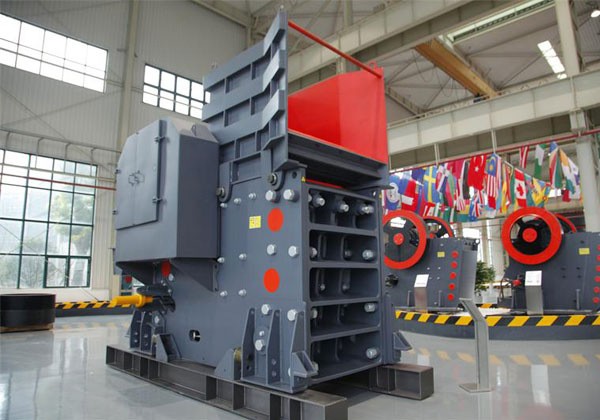
When it comes to the size and capacity of a primary rock crusher, these factors play a significant role in determining the price. Crushers with higher processing capacities or larger feed sizes generally cost more. For example, a small capacity jaw crusher that handles up to 100 tons per hour may be priced in the lower range, while crushers with a larger capacity (such as 500 tons per hour or more) can cost significantly more due to the complexity and heavier design. Crushers capable of handling hard rock and large feed sizes, like those used in mining operations, also tend to be more expensive because of the robust materials and engineering involved.
The type of crusher also affects the cost. Jaw crushers, which are one of the most commonly used types for primary rock crushing, can be priced differently than other types like gyratory crushers or impact crushers. Gyratory crushers are usually more expensive because they are designed for higher efficiency and can handle a wider range of materials and larger feed sizes. Impact crushers, on the other hand, may be cheaper initially but may have higher operating costs in terms of maintenance and energy consumption, which could add to the overall cost over time. Therefore, when considering a primary rock crusher, it is important to weigh the type of machine against its operational requirements.
Finally, additional features and customization can significantly affect the overall cost of a primary rock crusher. Crushers with advanced control systems, automation, and more sophisticated wear-resistant parts often come at a higher price. Furthermore, customization, such as modifications for specific material types or processing conditions, can drive up the cost even further. Buyers should also consider costs for ancillary equipment such as conveyors, feeders, and screens that might be required for a complete crushing plant setup. Though these additional costs are often bundled with the crusher itself, they are important to factor into the overall budget for a rock crushing operation.