

cost of crusher for limestone
The cost of a crusher for limestone varies depending on several factors, including the type of crusher, its capacity, the brand, and any additional features or customization required. Limestone crushers are essential in the mining and aggregate industries due to their ability to break down large chunks of limestone into smaller, more manageable sizes. In this article, we will explore the factors that influence the cost of limestone crushers and provide a general estimate of what you can expect to pay for a new or used crusher.
Types of Crushers and Their Costs
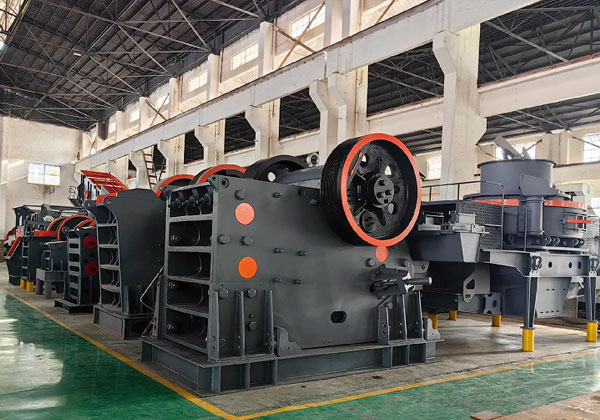
There are several types of crushers used for limestone, each with its unique features and cost structures. Jaw crushers, impact crushers, cone crushers, and hammer crushers are commonly used in limestone crushing operations. Jaw crushers are typically more affordable, with prices ranging from $10,000 to $50,000 depending on the size and features. Impact crushers, which provide higher efficiency and better material shaping, tend to be more expensive, with prices ranging from $20,000 to $100,000. Cone crushers, which are suitable for medium to hard materials like limestone, can range from $25,000 to $150,000.
Capacity and Size Considerations
The size and capacity of the limestone crusher significantly influence its price. Crushers with higher throughput capabilities and larger sizes will naturally be more expensive. For instance, a small jaw crusher with a capacity of around 20-30 tons per hour may cost between $10,000 and $30,000, while larger machines capable of processing 500 tons per hour can easily exceed $100,000. As the crushing capacity increases, so does the complexity of the machinery, leading to higher manufacturing costs. If you’re working in a high-capacity operation, investing in a larger, more powerful crusher will likely be necessary, and this comes with a higher price tag.
Features and Customization
Another factor that can influence the cost of a limestone crusher is the features and customization options you choose. Some crushers come with advanced technologies such as automated controls, built-in screens, or specialized wear-resistant parts. These added features increase the initial cost of the machine but can improve operational efficiency and reduce downtime in the long run. Customization for specific needs, such as specialized liners, grates, or hoppers, can also add to the cost. Depending on the specific requirements of your project, it may be worth considering these options to optimize performance and longevity.
Additional Costs
In addition to the initial purchase price, there are several other costs associated with operating and maintaining a limestone crusher. These include transportation costs, installation fees, and maintenance costs. Transportation costs will vary depending on the distance between the manufacturer and your location, as well as the size of the crusher. Installation costs may involve setting up the crusher on-site, ensuring it is properly connected to other equipment, and calibrating it for optimal performance. Maintenance costs should also be factored in, as crushers require regular maintenance and parts replacement to keep them running efficiently.