

Mineral screening vibrating screen
A mineral screening vibrating screen is a critical piece of equipment used in the mining industry to separate materials of different sizes. The primary purpose of a vibrating screen is to classify mineral particles based on their size, facilitating the sorting process in various mining operations. It works by using vibration to move materials through a screen mesh, with larger particles being retained while smaller ones pass through. This process is essential for producing high-quality materials that meet specific requirements for further processing or export.
The design of a mineral screening vibrating screen is relatively simple, consisting of a mesh screen, a motor, and a frame. The screen itself is typically made from materials such as wire or rubber, and it is usually divided into multiple layers with different sized openings to facilitate the separation process. The motor powers the vibration system, which is often achieved through an eccentric drive or a linear motion mechanism. This vibration causes the minerals to move across the screen, where they are classified according to their size. The screen can be customized to handle different types of materials, including fine sands, gravel, ores, and aggregates.
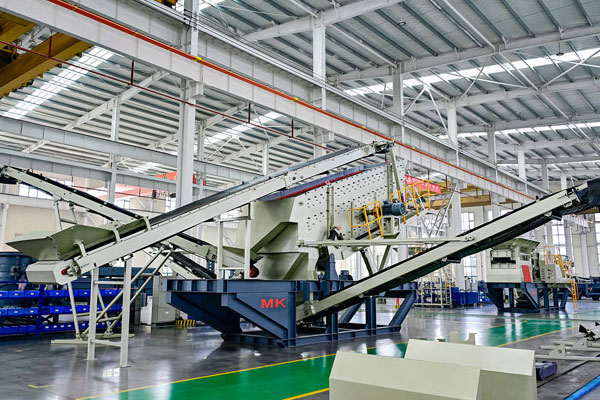
Vibrating screens are particularly beneficial for their high efficiency in handling large volumes of materials. The capacity of a vibrating screen is a crucial factor in mining operations, as it directly impacts the productivity of the entire system. In addition to size classification, vibrating screens also aid in the removal of impurities, such as clay or dust, ensuring that only the desired mineral particles are processed further. The ability to handle large throughput while maintaining a consistent screening quality makes vibrating screens indispensable in mineral processing plants and quarries.
One of the key advantages of mineral screening vibrating screens is their adaptability to different environments and types of minerals. These screens can be used in a wide range of mining operations, from coal and iron ore processing to gold and copper extraction. Depending on the application, the screen’s mesh size, material, and motor capacity can be adjusted to optimize performance. Furthermore, vibrating screens are designed to be durable and long-lasting, with the ability to withstand harsh conditions such as abrasive materials and high temperatures, ensuring continuous operation without frequent maintenance.
However, despite their many advantages, mineral screening vibrating screens require proper maintenance to operate at peak efficiency. Regular inspection of the screen mesh for wear and tear, as well as checking the motor and vibration system for signs of malfunction, is necessary to prevent downtime. Additionally, overloading the screen can lead to reduced performance and possible damage, so it is essential to monitor the flow rate of materials. Proper maintenance and operational practices ensure that vibrating screens deliver optimal results, providing accurate separation and contributing to the overall efficiency of the mining process.