

Ore beneficiation plant crusher price
When it comes to ore beneficiation, having the right crusher is essential for optimizing the process and increasing overall efficiency. Ore beneficiation refers to the process of extracting valuable minerals from raw ore, typically involving stages like crushing, grinding, and concentrating. Among the crucial components in any beneficiation plant is the crusher, as it prepares the ore for further processing. Choosing the right type of crusher not only ensures the quality of the final product but also minimizes operational costs.
Why Choose the Right Crusher?
Crushers in ore beneficiation plants are tasked with breaking down large chunks of ore into smaller, manageable pieces. These crushers must be robust, durable, and capable of handling tough materials such as iron ore, copper ore, limestone, and more. An effective crusher will reduce oversized materials to a size suitable for grinding or other processing techniques. The performance of your crusher directly impacts the overall efficiency of the beneficiation plant, making it a crucial investment.
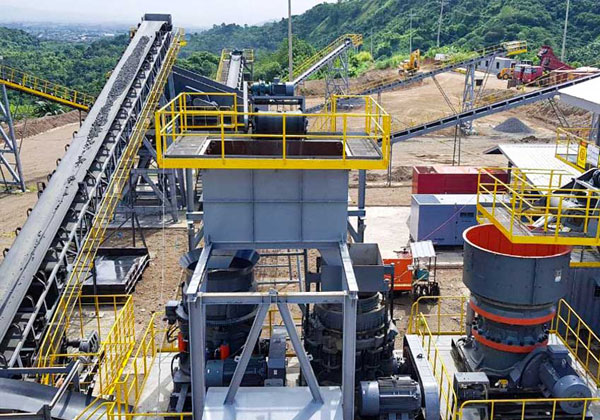
Types of Crushers for Ore Beneficiation Plants
Several types of crushers are commonly used in ore beneficiation plants:
-
Jaw Crushers
Jaw crushers are ideal for primary crushing. They work by compressing the ore between a fixed and a movable jaw, making them highly effective for reducing large materials into smaller sizes. These crushers are known for their high throughput and low maintenance requirements, making them a staple in many ore beneficiation setups. -
Cone Crushers
Cone crushers are excellent for secondary and tertiary crushing. They are typically used after the jaw crusher to refine the size of the ore further. The cone shape allows for better material handling and control over the final product size. These crushers are particularly effective for ores like granite, copper, and iron. -
Impact Crushers
Impact crushers use high-speed impact forces to break down ore. These crushers are great for processing softer materials like limestone and coal. They are often used in secondary and tertiary crushing stages due to their ability to deliver high reduction ratios and fine outputs. -
Hammer Crushers
Hammer crushers use a rotating hammer to strike the ore, breaking it down into smaller pieces. They are well-suited for processing brittle materials like coal, gypsum, and limestone. Their simple design and ability to crush large quantities of material make them a popular choice for large-scale ore beneficiation plants.
Factors Affecting Crusher Price
The price of a crusher for an ore beneficiation plant can vary widely depending on several factors:
-
Crusher Type: Different crushers have varying costs based on their design, capacity, and application. For instance, jaw crushers tend to be more affordable than specialized cone crushers or impact crushers.
-
Material Handling Capacity: Larger crushers capable of handling more material per hour generally come at a higher price point. For high-capacity plants, choosing the right crusher with the right throughput is critical to achieving a balance between cost and efficiency.
-
Material and Design: High-quality materials and innovative designs that enhance crusher efficiency or extend lifespan can increase the price but provide a better return on investment in the long run.
-
Supplier and Brand: Established crusher manufacturers with a proven track record may offer higher upfront prices but deliver better reliability, customer support, and overall performance.
When selecting a crusher for an ore beneficiation plant, it’s essential to consider factors such as material type, desired output size, and processing requirements. The right crusher will ensure that the ore is processed efficiently, reducing downtime and maximizing profitability. Whether you’re looking for a jaw crusher for primary crushing, a cone crusher for secondary stages, or a specialized impact crusher, investing in the right equipment for your ore beneficiation plant is a step toward success. Always assess your needs, budget, and the specific demands of your operation before making a purchase.