

Mineral Conveyor Belt
Mineral conveyor belt systems play a crucial role in the mining and processing industries by facilitating the efficient transportation of ores, minerals, and aggregates from extraction sites to processing plants or storage facilities. These systems are designed to handle bulk materials over long distances, often in harsh environments. Conveyor belts are essential for maintaining continuous operation in mining operations, reducing costs, and minimizing downtime. Here’s an overview of the key aspects of mineral conveyor belt systems, including their components, types, and benefits.
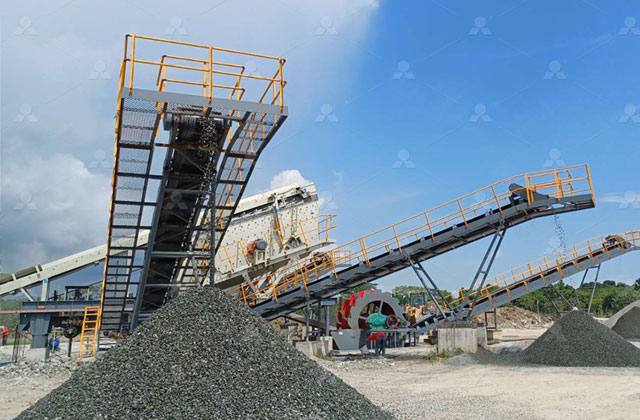
Components of a Mineral Conveyor Belt System
A typical mineral conveyor belt system consists of several key components:
- Conveyor Belt: The main component is the belt itself, usually made from rubber, plastic, or fabric with a synthetic or steel core. The belt is designed to withstand the abrasive nature of materials like ores, rocks, and minerals. The material’s durability is critical to ensure long life and minimal maintenance.
- Idlers: These are roller systems that support the belt along its length. They help to maintain the belt’s alignment and prevent it from sagging under the weight of the conveyed material. Proper alignment and support are essential for preventing belt misalignment and ensuring consistent operation.
- Pulleys: Pulleys are used to change the direction of the conveyor belt and to transmit power. The head pulley drives the belt, while the tail pulley guides the material off the end of the conveyor. There are also tension pulleys that maintain the appropriate tension in the belt, preventing slipping and extending the belt’s life.
- Drive System: The drive system is responsible for moving the conveyor belt. It includes a motor, gearbox, and drive pulley. The selection of a suitable drive system depends on factors like the conveyor’s length, material throughput, and operational environment.
- Conveyor Structure: The framework supporting the conveyor belt is typically made from steel or heavy-duty metal structures. This framework must be robust enough to withstand the weight and impact of the conveyed material as well as the environmental conditions such as wind, rain, and temperature variations.
Operation and Efficiency
Mineral conveyor belts operate on a simple yet effective principle: materials are loaded onto the belt, which moves along the conveyor system using a series of pulleys and rollers. The conveyor belt system can be horizontal, inclined, or vertical, depending on the specific needs of the transport. Inclined and vertical conveyors are used when the material needs to be moved up or down an incline or shaft.
Maintenance and Reliability
Maintaining mineral conveyor belts is essential to ensure their longevity and operational efficiency. Regular inspections, lubrication, and timely repairs are necessary to prevent breakdowns and ensure smooth operation. Advanced monitoring systems can be installed to track the performance of belts, identify potential issues, and predict maintenance needs. Proper maintenance reduces downtime, extends the life of the equipment, and increases the overall efficiency of mining operations.