

Mobile crushers and screens for quarries
In modern quarry operations, mobile crushers and screens have become essential tools for improving efficiency, flexibility, and cost-effectiveness. These machines are particularly beneficial for companies that need to produce aggregates for construction and infrastructure projects on various sites. Unlike traditional stationary plants, mobile crushers and screens are designed to be moved easily between different locations, offering adaptability and reduced transportation costs.
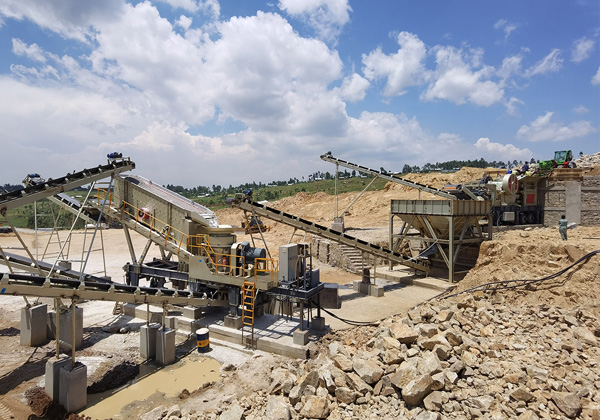
Mobile Crushers in Quarries
Mobile crushers are versatile machines used to reduce the size of large rocks or aggregates into smaller, more manageable materials. They can be equipped with various types of crushers, such as jaw crushers, cone crushers, and impact crushers, depending on the type of material being processed.
Mobile Jaw Crushers: Mobile jaw crushers are primarily used for the primary crushing stage of quarrying operations. These crushers are versatile and capable of processing various materials, including granite, limestone, and basalt. The mobile jaw crusher’s ability to handle large volumes of material makes it ideal for use in quarries that require high throughput and efficient crushing performance.
Mobile Impact Crushers: Mobile impact crushers are commonly used for secondary or tertiary crushing in quarries. These machines are designed to break down materials into smaller, more manageable sizes using high-speed impact forces. Impact crushers are ideal for producing finer aggregates for asphalt or concrete production and are highly effective at processing softer rocks or materials.
Mobile Cone Crushers: Mobile cone crushers are widely used in secondary, tertiary, or quaternary crushing applications. These machines are particularly useful for crushing hard, abrasive materials such as granite and quartz. Mobile cone crushers offer excellent product shape and can produce high-quality aggregates for a range of construction applications.
Mobile Screening Plants: Mobile screens are used in conjunction with mobile crushers to separate materials based on size. After materials have been crushed, they are passed through a vibrating screen to classify them into different grades, such as coarse, medium, and fine aggregates. Mobile screening plants offer high levels of flexibility, as they can be adjusted to meet the specific needs of the operation and are designed for high capacity, offering an efficient means of sorting materials on-site.
Applications of Mobile Crushers and Screens in Quarries
- Primary Crushing: Mobile crushers are often used for primary crushing operations, breaking down large rocks into smaller, more manageable sizes. These crushers are typically equipped with powerful jaws or impactors capable of processing tough materials like granite, basalt, and limestone.
- Secondary and Tertiary Crushing: After the primary crushing stage, mobile crushers with cone crushers or impact crushers are used to further reduce material sizes. These secondary and tertiary crushers ensure the desired product specifications are met for different quarry products.
- Screening and Sorting: Mobile screens play a crucial role in sorting materials by size. They allow operators to separate fines, oversized material, and intermediate sizes, ensuring the final products meet quality standards. The combination of mobile crushers and screens in a single plant increases operational efficiency by providing a complete solution for crushing and screening.
Mobile crushers and screens have revolutionized the quarrying industry by providing flexible, cost-effective, and efficient solutions for material processing. Their mobility allows operators to maximize production while reducing costs and improving operational efficiency. Whether for primary, secondary, or tertiary crushing, these machines are designed to meet the challenges of various quarry applications, making them a vital component of modern quarrying operations. With advancements in technology and increased automation, mobile crushers and screens will continue to play an essential role in the future of the industry.