

Cost of purchasing a mobile crusher
When considering the purchase of a mobile crusher, understanding the costs involved is crucial for making an informed decision. Mobile crushers are invaluable for various industries, particularly in construction, mining, and recycling. They offer unparalleled flexibility, enabling you to crush materials on-site, reducing transportation costs and enhancing operational efficiency. However, mobile crushers come at a significant investment, so it’s essential to evaluate the costs carefully.
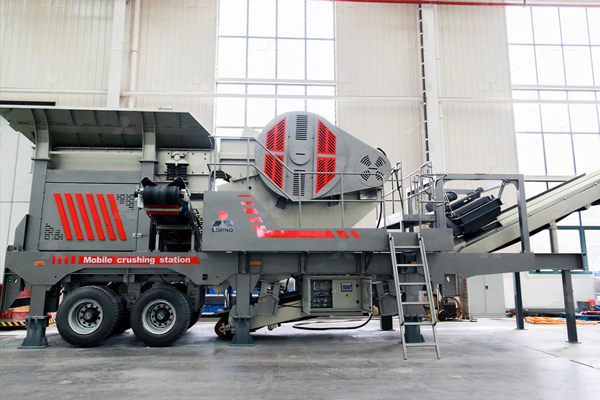
Initial Purchase Price
The initial cost of a mobile crusher depends on several factors, including the type, size, and brand of the equipment. Mobile crushers typically range from $100,000 to $1,000,000, with smaller models being more affordable and larger, high-capacity crushers being more expensive. The price difference is largely determined by the crusher’s features, such as:
- Type of Crusher: Mobile crushers are available in different types such as jaw crushers, cone crushers, impact crushers, and VSI (Vertical Shaft Impact) crushers. Each type comes with its own price range based on functionality and intended use.
- Size and Capacity: The capacity, measured in tons per hour (TPH), will also affect the cost. For example, a 200 TPH mobile crusher is less expensive than a 500 TPH unit.
- Brand and Quality: Premium brands known for reliability and durability tend to have higher prices. However, investing in a reputable brand often pays off in terms of reduced maintenance costs and longer operational life.
Additional Costs: Installation, Transport, and Setup
Once you have purchased the mobile crusher, there are additional costs associated with installation and setup. Depending on your site’s location and the complexity of installation, you may incur charges for transportation, cranes, or other machinery required to place the crusher in position.
Transport costs can be particularly high for larger crushers or those shipped internationally. However, since mobile crushers are designed for mobility, they are easier to relocate than stationary plants, which can offset transport costs over time.
Operational Costs
While mobile crushers offer significant operational savings by reducing the need for material transportation, they come with their own operational costs:
- Fuel Consumption: Mobile crushers are typically powered by diesel engines, and fuel consumption varies depending on the size of the crusher and the material being processed. Larger machines consume more fuel, and this is a recurring cost you must factor in.
- Maintenance and Repairs: Like all heavy equipment, mobile crushers require regular maintenance, including oil changes, part replacements, and other repairs. The costs for routine maintenance can range from a few thousand dollars annually to tens of thousands for major repairs. It’s also worth noting that the more advanced the crusher, the more expensive the maintenance can be.
Financing and Warranty Options
If the upfront cost of purchasing a mobile crusher is a concern, financing options are available. Many suppliers offer leasing or loan options to help spread the cost over time. Financing terms vary, but they generally require a down payment followed by regular installments. Additionally, many mobile crushers come with warranties that cover parts and labor for a certain period, which can help mitigate potential repair costs in the early stages of ownership.
The cost of purchasing a mobile crusher is influenced by several factors, including the model, brand, size, and operational costs. While the initial investment may be substantial, the benefits of improved efficiency, flexibility, and potential long-term savings make mobile crushers a valuable addition to any mining, construction, or recycling operation. Carefully consider your specific needs and budget, and choose a mobile crusher that aligns with your operational requirements and financial capabilities.