

Aggregate crushing and processing plant
An aggregate crushing and processing plant is a complex facility designed to produce crushed aggregates used in construction, infrastructure, and other industrial applications. The plant typically includes a variety of equipment and systems for crushing, screening, and washing raw materials like rocks, gravel, sand, and minerals. The goal is to break down large pieces of material into smaller, more usable sizes for use in concrete, asphalt, and other construction products.
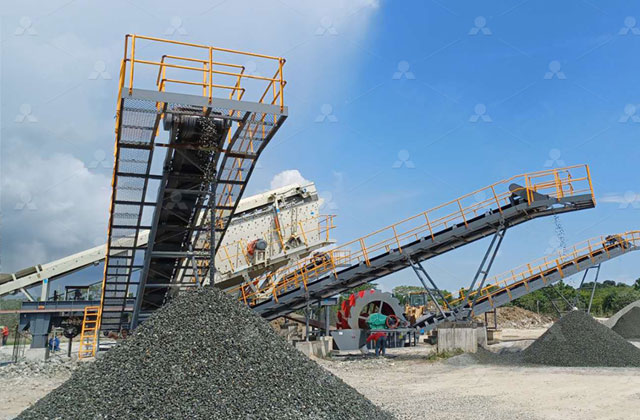
Key Components of an Aggregate Crushing and Processing Plant:
1. Primary Crusher:
The first step in aggregate processing is the primary crushing of raw materials, which typically consists of large rocks or boulders. The primary crusher—usually a jaw crusher or gyratory crusher—reduces the size of the raw material to a more manageable size. This process can reduce the material down to pieces ranging from 4 to 12 inches in diameter, depending on the settings and design of the crusher.
2. Secondary and Tertiary Crushers:
After the primary crusher, the material is often fed into secondary and sometimes tertiary crushers. These crushers refine the material further by reducing it to finer grades. Cone crushers are often used in this phase, as they provide a more uniform product size. For example, secondary crushers can reduce material to sizes ranging from 1 inch to 4 inches, and tertiary crushers can produce sizes as small as 0.5 inches or even finer.
3. Vibrating Screens:
After each crushing stage, the material is screened to separate different sizes of aggregates. Vibrating screens are used to sift through the crushed material, allowing finer particles to fall through and be directed to different parts of the plant for further processing. Multiple stages of screening may be required to sort the aggregate into different sizes, such as fines (sand), medium, and coarse aggregates (gravel or stone).
5. Stockpiling and Conveying Systems:
Once the aggregate material has been processed, it is typically stockpiled in various piles, depending on its size or intended use. Conveyors are often used to transport the material between stages in the crushing and washing process. Some plants may use stackers or reclaimers to move the finished aggregates to storage piles or directly to loading areas for shipping.
6. Control Systems and Automation:
Modern aggregate plants use sophisticated control systems to optimize the performance of the equipment, monitor production rates, and maintain product quality. Automation and monitoring software help manage the crushing process, adjust crusher settings, and even control the supply of raw material to ensure smooth operations.
Key Equipment in an Aggregate Crushing Plant:
- Primary Crusher: Jaw crushers, gyratory crushers
- Secondary Crusher: Cone crushers, impact crushers
- Vibrating Screens: For separating material by size
- Conveyors: To transport material between stages
- Washing Equipment: For cleaning aggregates
- Feeders: To control material flow into crushers
An aggregate crushing and processing plant plays a crucial role in producing high-quality materials for the construction industry. The process includes several stages of crushing, screening, and washing to produce aggregates in the desired size and quality. By using a combination of crushers, screens, and other equipment, these plants are capable of handling a wide variety of raw materials and producing aggregates that meet the rigorous demands of the construction market.