

Gold ore crushing and processing plant
The process of gold ore crushing and processing involves a series of steps to extract and refine gold from its natural state within the rock. The goal of these operations is to achieve the maximum recovery of gold in a cost-effective and efficient manner. The following is an overview of the key stages involved in the gold ore crushing and processing plant.
1. Crushing Process
The first stage of gold ore processing is the crushing of the raw ore. This process reduces the size of the ore from large boulders to smaller pieces, which are more manageable for further processing. Crushers used in this stage can be jaw crushers, cone crushers, or impact crushers, depending on the nature of the ore and the desired particle size. Jaw crushers are typically used for the initial coarse crushing of large pieces of ore, reducing them to a more uniform size. Cone crushers are used for secondary crushing, providing finer control over the particle size. Impact crushers can be used for more specific crushing requirements, such as when dealing with harder ores.
2. Grinding Process
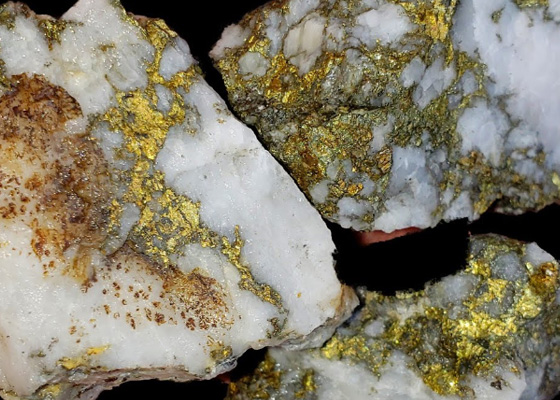
After crushing, the ore goes through a grinding process where it is further reduced in size. This is achieved using grinding mills such as ball mills, rod mills, or autogenous mills. The purpose of grinding is to liberate the gold particles from the surrounding rock, allowing for easier extraction. The grinding stage increases the surface area of the ore, making it easier for the subsequent extraction processes to remove the gold. Depending on the ore type and desired gold particle size, the grinding process can be adjusted accordingly.
3. Gold Extraction
After grinding, the fine ore is subjected to various extraction methods to separate the gold from the surrounding rock. The two primary methods used for gold extraction are:
- Cyanidation: This method involves the use of cyanide solution to dissolve gold from the ore. The finely ground ore is mixed with a cyanide solution, which allows the gold to dissolve into the solution. The mixture is then allowed to sit in large tanks known as leach tanks where the gold-cyanide complex forms. The gold is then separated from the solution by activated carbon absorption, and the carbon is subsequently processed to recover the gold.
- Gravity Separation: In certain cases, gravity separation methods are used to recover free gold particles. This process utilizes the difference in densities between gold and other materials. The ore is subjected to shaking tables, jigs, or spiral concentrators, where gold particles settle at the bottom due to their higher density. This method is particularly effective for coarse gold particles.
4. Concentration and Smelting
Once the gold has been extracted, the next step is to concentrate it. The gold-bearing solution is often processed through a process called carbon-in-pulp (CIP) where activated carbon absorbs the gold from the leach solution. The gold-loaded carbon is then subjected to further processing to recover the gold through smelting, a process that involves heating the carbon to high temperatures to extract the gold. The gold is then poured into molds to form bars or ingots, which are ready for sale or further refinement.
Gold ore crushing and processing is a complex and resource-intensive process that requires specialized equipment and expertise. From crushing to grinding and extraction, each step is designed to maximize gold recovery and minimize waste. Advances in technology have improved the efficiency and safety of these operations, enabling mining companies to recover gold more effectively and economically.