

Development in hydraulic cone crusher
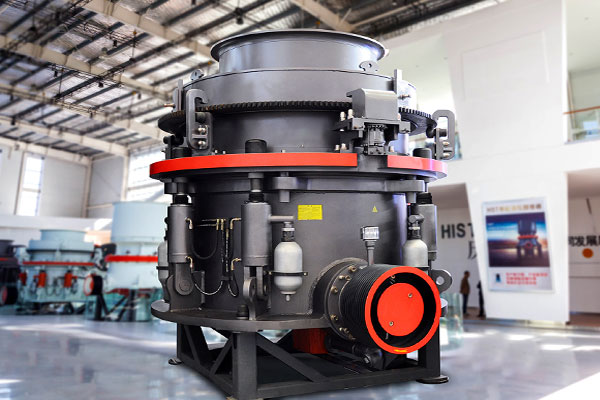
Hydraulic cone crushers have significantly advanced over the years, improving their efficiency, durability, and overall performance. These crushers are an essential part of the mining, construction, and aggregate industries due to their ability to process a wide range of materials, from hard ores to high-performance aggregates. The evolution of hydraulic cone crushers can be traced through several key stages that reflect advancements in technology and engineering.
1. Introduction of Hydraulic Technology
The main development that sets hydraulic cone crushers apart from traditional cone crushers is the integration of hydraulic technology. Hydraulic systems enable the crusher to adjust its settings automatically based on operational conditions. This includes automatic overload protection, gap adjustment, and easy maintenance, which significantly reduce human intervention. Early cone crushers were manually operated, requiring adjustments to the mantle and concave settings. However, modern hydraulic systems provide automated control, offering superior performance and ease of use.
2. Improved Crushing Efficiency
Hydraulic cone crushers are designed to handle a wide range of materials, from hard and abrasive ores to softer rocks. One of the key improvements in recent hydraulic cone crushers is the enhancement of the crushing chamber design. The use of more sophisticated algorithms and simulations has allowed manufacturers to optimize the chamber’s geometry to improve the material flow and reduce the occurrence of choking. The increased crushing force and more efficient power transmission result in faster processing of materials, contributing to higher throughput and reduced energy consumption.
3. Advanced Control Systems
Modern hydraulic cone crushers are equipped with advanced electronic control systems, including automation that monitors and adjusts the crusher’s operational parameters in real time. Sensors and software integration allow for precise control of parameters such as pressure, temperature, and operational status, providing greater operational safety and reducing downtime. For example, hydraulic pressure can be automatically adjusted to avoid overload, and the system can alert operators of potential faults, enabling preemptive maintenance and reducing the risk of major breakdowns.
4. Enhanced Materials and Durability
The materials used in hydraulic cone crushers have evolved to withstand the increased pressure and heat generated during operation. Early models struggled with issues like wear and tear due to the hardness of the processed materials. Today, modern hydraulic cone crushers are equipped with more robust components, such as high-strength steel alloys and durable liners, that can handle the increased stresses without frequent replacements. This improvement leads to a longer lifespan for the machine and reduced maintenance costs.
Moreover, advancements in coating technologies have improved the durability of key components such as the crushing chamber, rotors, and bearings. Harder and more resistant materials help prevent premature wear and reduce the need for frequent maintenance, ensuring more consistent operation over time.
5. Higher Capacity and Performance
Recent advancements in design and technology have led to hydraulic cone crushers capable of higher processing capacities and improved performance. Innovations in chamber design, such as larger feed openings and more efficient crushing geometries, have increased throughput. These improvements, combined with the precision and flexibility provided by the hydraulic systems, ensure that the crushers can handle a wider range of material types and sizes more effectively than ever before.
6. Integration with Other Crushing and Screening Equipment
Modern hydraulic cone crushers are now often integrated into comprehensive crushing and screening plants. Their ability to work seamlessly with other equipment, such as jaw crushers, vibrating screens, and impact crushers, ensures smoother operations and better output quality. The increased integration of cone crushers into automated plants allows for a higher degree of efficiency and operational continuity.
The development of hydraulic cone crushers has marked a significant advancement in the field of material processing. With continuous improvements in automation, efficiency, and environmental performance, hydraulic cone crushers are expected to play an increasingly important role in industries requiring high-efficiency crushing solutions. Their robust design, high performance, and adaptability to a variety of applications make them a crucial tool in modern mining and aggregate production.