

How much is a rock crusher?
The price of a rock crusher varies significantly based on several factors, such as its type, size, brand, features, and intended use. Rock crushers are available in different forms, such as jaw crushers, cone crushers, impact crushers, and gyratory crushers, each tailored for specific purposes. Below is a breakdown of the factors that influence the cost of a rock crusher:
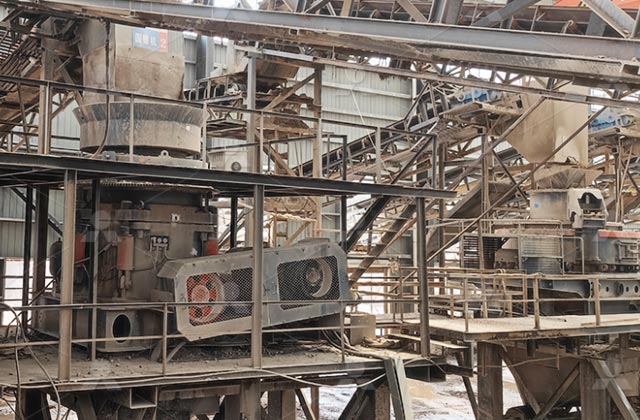
1. Type of Rock Crusher
- Jaw Crushers: These crushers are primarily used for reducing large rocks into smaller particles. Jaw crushers are typically less expensive than other types of crushers, with prices ranging from $20,000 to $100,000, depending on the capacity and size. For example, small to medium-sized jaw crushers for mining operations or quarries may cost between $30,000 to $50,000.
- Cone Crushers: Cone crushers are primarily used for secondary and tertiary crushing. They are ideal for processing hard and abrasive materials, like granite, basalt, and quartz. Cone crushers have a reputation for their durability and efficiency, especially when handling materials that are difficult to crush. Prices for cone crushers can vary between $20,000 and $150,000, depending on factors such as size, features (e.g., hydraulic systems, automation), and production capacity.
- Impact Crushers: Impact crushers are known for their ability to produce high-quality aggregates, especially in secondary and tertiary crushing applications. They use impact force to break rocks, making them ideal for materials like limestone, gypsum, and soft to medium-hard rocks. The price for an impact crusher generally falls between $15,000 and $100,000. The wide price range can be attributed to differences in size, capacity, and whether the crusher is stationary or portable.
- Gyratory Crushers: Gyratory crushers are used in large-scale operations, typically in mining, and can handle a high throughput of material. These crushers are more expensive, with prices typically starting at around $30,000 and going up to several hundred thousand dollars, depending on the specifications. Gyratory crushers are designed to crush large quantities of hard rock, and they are often used in the mining industry due to their ability to process large volumes of material at once.
2. Capacity and Size
The capacity of the rock crusher is one of the main factors influencing its cost. Crushers with larger production capacities generally have higher prices. For instance, a small crusher with a capacity of 50 tons per hour may cost between $10,000 and $50,000, while larger models that process 500 tons per hour or more can range from $50,000 to $500,000 or higher. Larger crushers typically feature more advanced mechanisms, such as higher motor power, better crushing chamber designs, and additional features that enhance performance and durability.
3. Features and Technology
Modern rock crushers often come equipped with advanced technologies that enhance performance, increase safety, and reduce operational costs. These features can add to the overall cost. Some common features include:
- Automated control systems
- Advanced wear-resistant parts
- Hydraulic systems for adjusting settings
- Screening and sorting equipment
- Noise reduction systems
Depending on the level of automation and technology, these added features can significantly increase the price, making some high-tech models cost over $200,000.
4. Customization and Accessories
Crushers can be customized with various attachments and components, such as feeder systems, screens, and conveyor belts, to increase their versatility and performance. These additions can significantly increase the price. For example, crushers equipped with enhanced screening and separation capabilities can cost 10% to 30% more than standard models.
In general, rock crushers vary in price from as low as $15,000 for small, less powerful models to over $1 million for large, high-capacity machines. The total cost of a rock crusher will depend on the specific needs of the operation, such as the type of material being processed, the desired output size, and the crusher’s capacity.