

Mineral vibrating screen project
A mineral vibrating screen project focuses on the design, implementation, and operation of screening systems used in mineral processing industries. The goal of the project is to efficiently separate minerals of different sizes and ensure that the final product meets required specifications for further processing or use. A vibrating screen is a crucial piece of equipment for various mining and aggregate processing industries, including coal, iron ore, gold, sand, gravel, and more. The project will cover the essential components, engineering, installation, and operational stages of the vibrating screen system.
Objective of the Project
The primary objective of a mineral vibrating screen project is to design a system that can efficiently screen and sort different mineral sizes. The screen helps in separating valuable minerals from waste, optimizing processing times, and improving material handling efficiency. The project will focus on ensuring the screen’s ability to handle varying mineral types, moisture contents, and production demands.
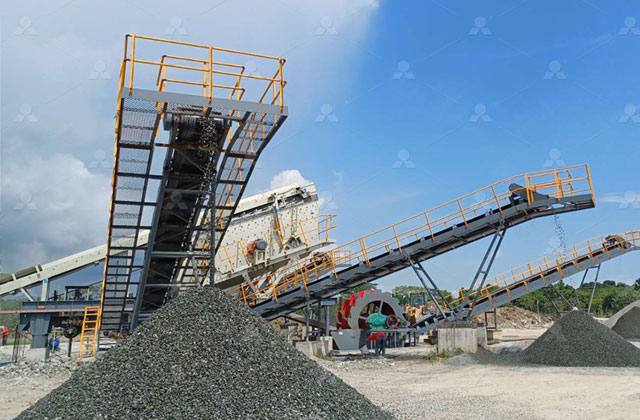
Key Components:
- Screen Deck: The screen deck is made up of mesh or perforated plates that serve as the primary medium for material separation. It is designed with the necessary opening sizes to allow smaller particles to pass through while larger particles are retained. The screen can consist of multiple decks, which may include coarse, intermediate, and fine mesh sections.
- Vibration Mechanism: The vibration of the screen is typically provided by an electric motor, which is coupled to the screen via a shaft or drive mechanism. The motor generates oscillations that cause the screen to vibrate at specific frequencies, enabling the separation process. The design of the vibration mechanism is essential for achieving optimal performance in material classification.
- Frame Structure: The frame provides support for the vibrating screen, ensuring that it remains stable during operation. The frame must be robust enough to withstand the forces generated by the vibration while being lightweight enough to allow for easy handling.
- Springs or Isolation Pads: Springs or vibration isolation pads are used to minimize the transmission of vibrations to the surrounding environment and machinery. They absorb the forces generated by the vibrating screen, ensuring that only the materials on the screen deck are affected.
- Feed Hopper: The feed hopper is the entry point for the raw material to be processed. It directs the material onto the screen deck at the appropriate angle to optimize material flow.
- Discharge Chutes: Once the material is separated, it flows through the discharge chutes into different collection areas, depending on the size and grade of the particles.
Design Considerations:
- Material Type and Size Distribution: The vibrating screen design must be customized according to the type of mineral and the desired particle size. For example, when processing coarse minerals like coal, a screen with larger mesh openings will be needed compared to finer materials like gold ore.
- Capacity Requirements: The throughput capacity of the vibrating screen is another critical factor. The screen must be designed to handle the volume of material expected to pass through, with consideration given to operational efficiency and downtime.
- Efficiency and Durability: The vibrating screen should be efficient in terms of separation, while also being durable enough to handle the abrasive nature of many minerals. The use of high-strength materials for the screen deck, such as stainless steel or polyurethane, is recommended for durability.
- Energy Consumption: Energy efficiency is a key consideration, especially in large-scale operations. The motor and vibration mechanism should be designed to minimize power consumption while still delivering the required vibration amplitude and frequency.
Implementation:
Once the design is finalized, the vibrating screen is manufactured using high-quality materials and precision engineering. The screen is then tested in a laboratory or pilot-scale setup to ensure that it meets the required performance standards. During installation, it is important to ensure proper alignment, vibration settings, and support structure stability.
A well-designed mineral vibrating screen can significantly improve the efficiency and productivity of mineral processing operations. By ensuring optimal separation of materials based on particle size, it allows for the recovery of valuable minerals, reducing waste and improving the profitability of mining operations. Moreover, considering factors like capacity, durability, and energy consumption during the design process is essential for the screen’s long-term performance and operational cost-effectiveness.