

Use of jaw crusher in quarry
A jaw crusher plays a pivotal role in quarry operations, particularly in the extraction and processing of aggregates. It is widely used for its ability to reduce large rock masses into smaller, more manageable sizes suitable for further processing or direct sale. The mechanism of a jaw crusher is straightforward: a fixed jaw and a movable jaw work in unison to crush material, which is fed into the crusher’s chamber. As the movable jaw moves in a back-and-forth motion, the material is crushed between the jaws, creating a product that is typically a combination of different sized aggregates.
Primary Function and Applications
In a quarry setting, the primary use of a jaw crusher is to break down large blocks of rock, often blasted from the quarry face, into smaller sizes. These crushed materials are then used in various construction and road-building applications, such as producing gravel, sand, or base materials for concrete. Jaw crushers are especially effective in handling hard materials like granite, limestone, and basalt, which are commonly extracted in quarries. The ability to process tough rocks efficiently makes them a valuable asset to the quarrying industry.
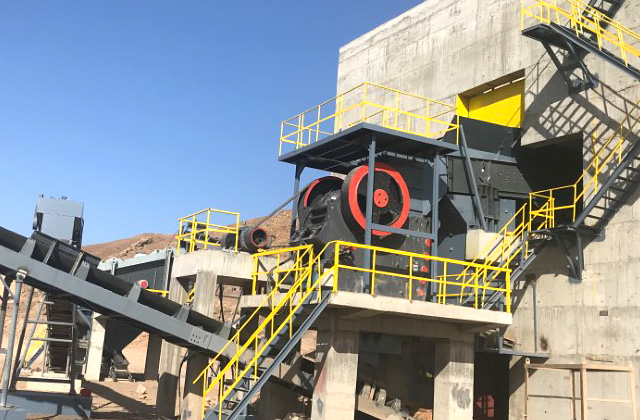
Advantages of Jaw Crushers in Quarries
- High Throughput: Jaw crushers are known for their ability to process large volumes of rock. Quarry operations often involve handling significant amounts of material, and the jaw crusher is capable of achieving high throughput with consistent and reliable performance.
- Durability: The rugged design of jaw crushers makes them ideal for tough quarry environments. They are engineered to withstand the stresses of crushing hard, abrasive materials, offering long service life and minimal downtime.
- Cost-Effectiveness: Although initial costs for jaw crushers can be high, their efficiency, low maintenance needs, and long lifespan make them cost-effective in the long run. Furthermore, jaw crushers have a relatively simple structure, which leads to lower repair and maintenance costs compared to more complex crushing equipment.
- Versatility: Jaw crushers can be adjusted to produce various sizes of crushed material, making them versatile for different applications within the quarry. By adjusting the gap between the jaws, operators can produce a range of products, from fine aggregates for concrete to larger chunks for road base.
- Easy Integration with Other Equipment: Jaw crushers can be easily integrated with other equipment in a quarry plant, such as vibrating screens, conveyors, and secondary crushers. This allows for a streamlined operation and the production of high-quality aggregates.
Working Principle and Design
The working principle of a jaw crusher involves the compression of material between a fixed and a movable jaw. The fixed jaw is mounted in a stationary position, while the movable jaw is connected to a swing arm and moves in a back-and-forth motion. As material enters the crushing chamber, it is subjected to compressive forces, which break it down into smaller pieces. This material then exits through a discharge opening at the bottom of the crusher.
The design of a jaw crusher includes important features such as a deep crushing chamber and a high crushing ratio, ensuring maximum efficiency and the ability to handle tough materials. Additionally, the jaw crusher’s motor and drive mechanism are designed to handle heavy workloads, enabling it to crush large rock masses without overloading.
Maintenance and Safety
While jaw crushers are durable and reliable, regular maintenance is crucial for optimizing their performance. Quarry operators should inspect key components such as the jaw plates, bearings, and lubrication systems to ensure the machine operates efficiently. Proper maintenance not only extends the life of the crusher but also reduces the risk of breakdowns, ensuring continuous production.
Safety is a top priority in quarrying operations, and operators should follow safety protocols when operating a jaw crusher. Ensuring proper training and supervision, along with implementing safety measures such as guarding and emergency shutdown systems, is essential to minimize the risk of accidents.