

Specifications and capacity of jaw crusher
Introduction to Jaw Crushers
A jaw crusher is a primary crushing equipment used in various mining and aggregate production applications. It consists of a fixed jaw plate and a moving jaw plate, which are positioned to create a V-shaped chamber where the material is crushed. The specifications of a jaw crusher can vary significantly depending on the model and intended application, but they typically include dimensions such as width, length, and depth of the feed opening, as well as the width of the discharge opening.
Key Specifications
The specifications of a jaw crusher vary depending on its size and model. Common parameters include the feed opening size, which determines the maximum size of the material the crusher can process, typically ranging from 100mm to over 1500mm. The discharge opening, adjustable via shims or hydraulic systems, dictates the output size of the crushed material. Jaw crushers come in various sizes and designs to meet different application needs. They are typically made from high-quality steel or other durable materials to withstand heavy-duty operations.
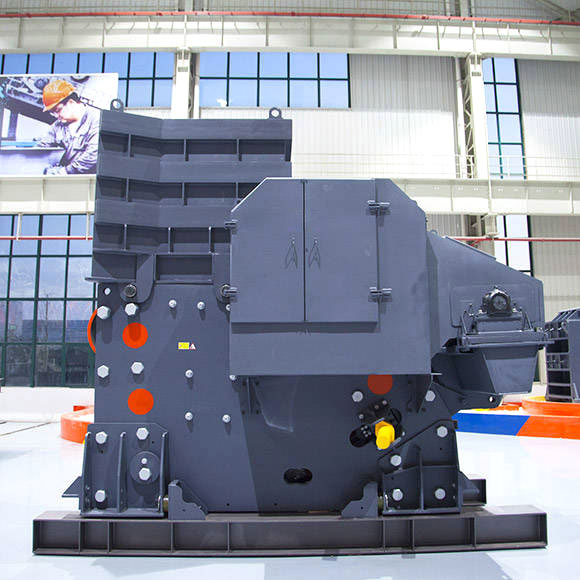
Crushing Capacity
The capacity of a jaw crusher is influenced by several factors, such as the material’s hardness, density, and moisture content. Capacity is generally expressed in tons per hour (TPH) and can range from 50 TPH for small models to over 1000 TPH for larger industrial crushers. The size of the feed and the required output size also significantly affect the overall capacity. For optimal performance, materials should be evenly distributed and not exceed the crusher’s rated feed size.
Advantages of Jaw Crushers
Jaw crushers are versatile and efficient machines capable of processing a wide range of materials, from soft minerals to hard stones. They are known for their high reduction ratios, which reduce large rocks into finer materials. Additionally, their simple design makes maintenance relatively straightforward, contributing to their popularity in both stationary and mobile applications. Jaw crushers can also be integrated with other equipment in multi-stage crushing processes.
Selecting the right jaw crusher depends on the material type, desired output size, and production requirements. Careful consideration of the crusher’s specifications and capacity ensures efficient operations and optimal performance. With advancements in technology, modern jaw crushers are equipped with innovative features like automated settings and wear monitoring systems, enhancing their reliability and productivity.